Tag HW-101
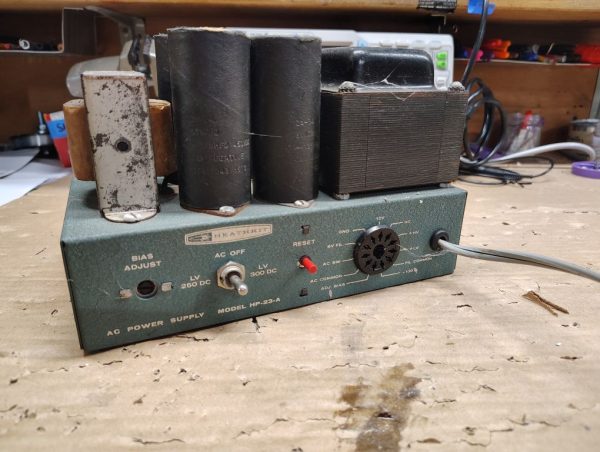
I have been interested in doing a rebuild of a Heathkit HP-23 power supply for a little while. For those looking for older gear I have noticed that the HP-23 series power supplies seem to be more rare than the… Continue Reading →
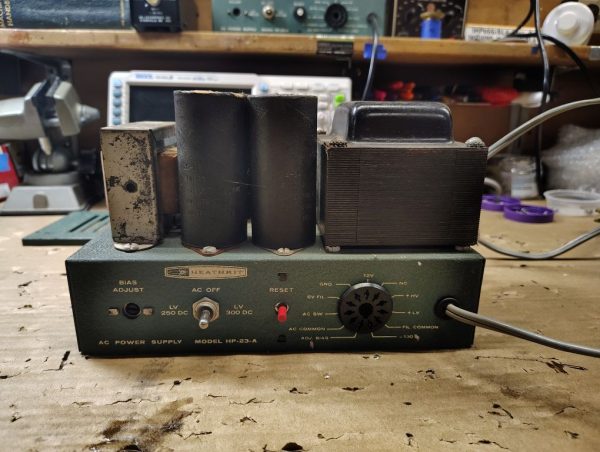
WARNING – The power supply operates at lethal voltages that can kill you. Even after power has been turned off many of the capacitors may maintain a dangerously high voltage over a period of time. Use extreme caution when using the… Continue Reading →
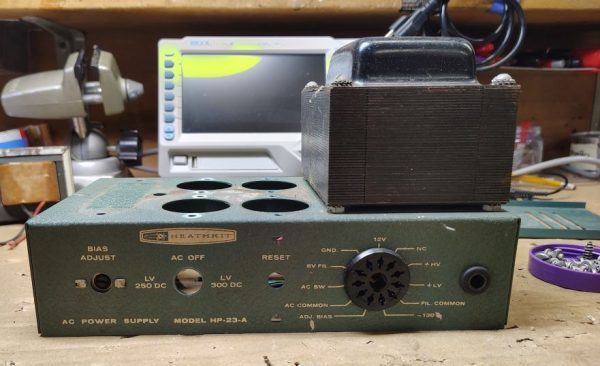
The replacement circuit breaker requires for the chassis mounting hole to be drilled and opened up to a 3/8in hole. When doing this step be sure to protect the wires inside the chassis. To drill a new hole for the… Continue Reading →
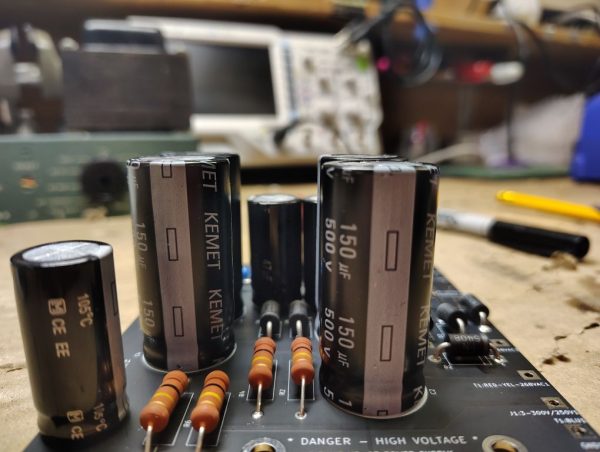
For my original HP-23A refurbishment project I decided to develop my own custom circuit board. It is common for prototype circuit board orders to have small minimum order, however for most fabrication houses in China, even though they force you… Continue Reading →
The easiest step for something catastrophic to go wrong during the rebuild phase is during wiring. During this phase is it important to verify every step made to ensure 100% accuracy. Depending on the method and workmanship that the original… Continue Reading →
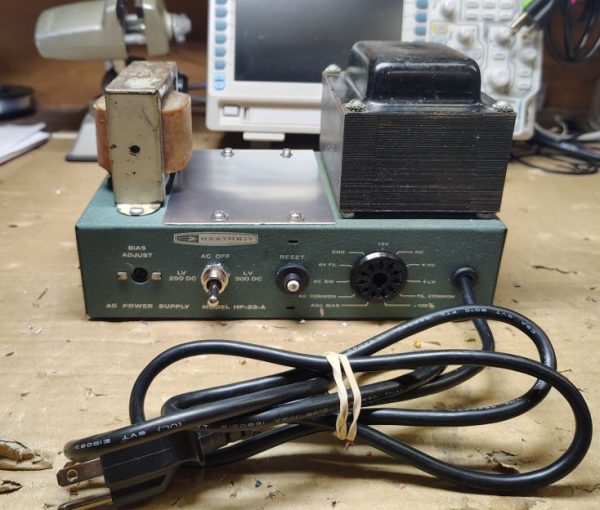
After wiring is complete I always suggest taking a break and prior to testing doing a through check of all of the wiring to the schematic before powering everything up. I like to go through things wire by wire and… Continue Reading →
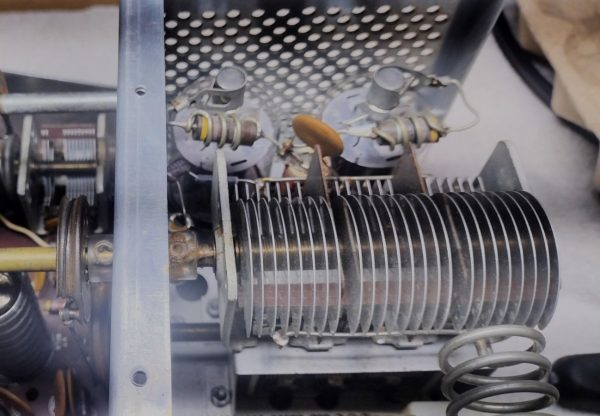
When working to reassemble the radio I noticed that the shaft coupling for the final control was slipping and further discovered that this plastic coupling threads were stripped. Threaded plastic can be rather delicate so a repair was in order…. Continue Reading →
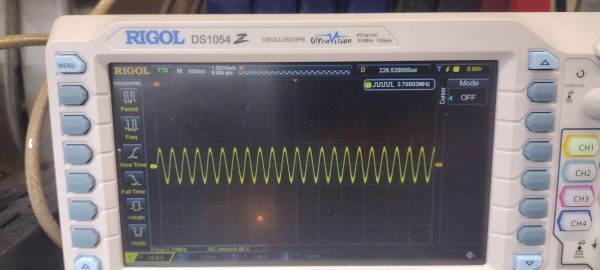
What is the Alignment Process? The alignment process is a series of adjustments that help maximize the performance of the radio. This multistep process will include steps such as peaking the heterodyne oscillators and nulling out the carrier from the… Continue Reading →
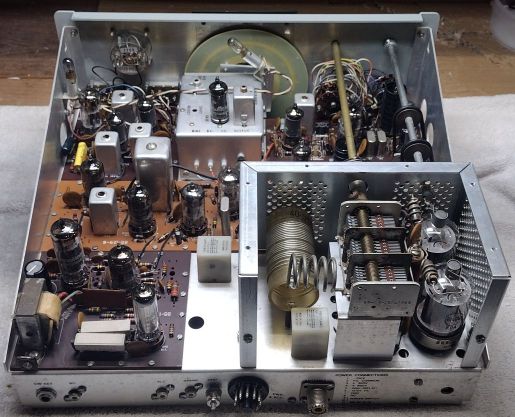
Pulleys As good measure I replace the O-rings used for the driver pre-selector. These are available either in an O-ring kit or from your local hardware store, with a size of ID: 2in OD: 2-1/8in. Using incorrect sized o-rings can… Continue Reading →
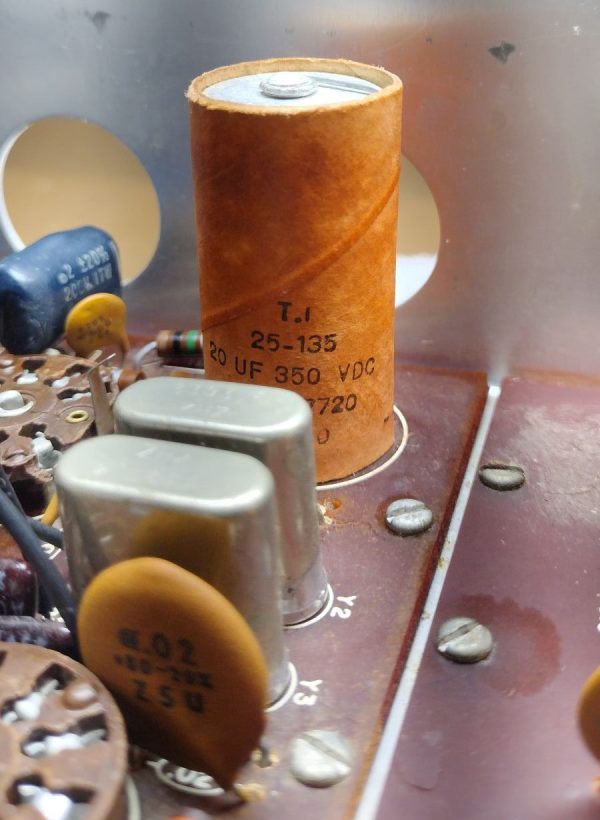
Why Replace? It is well known that over time, Electrolytic capacitor dry out and are no longer usable. Some spend time to use a Variac to reform the capacitors, with the HW-101 it is fairly easy to replace these capacitors… Continue Reading →
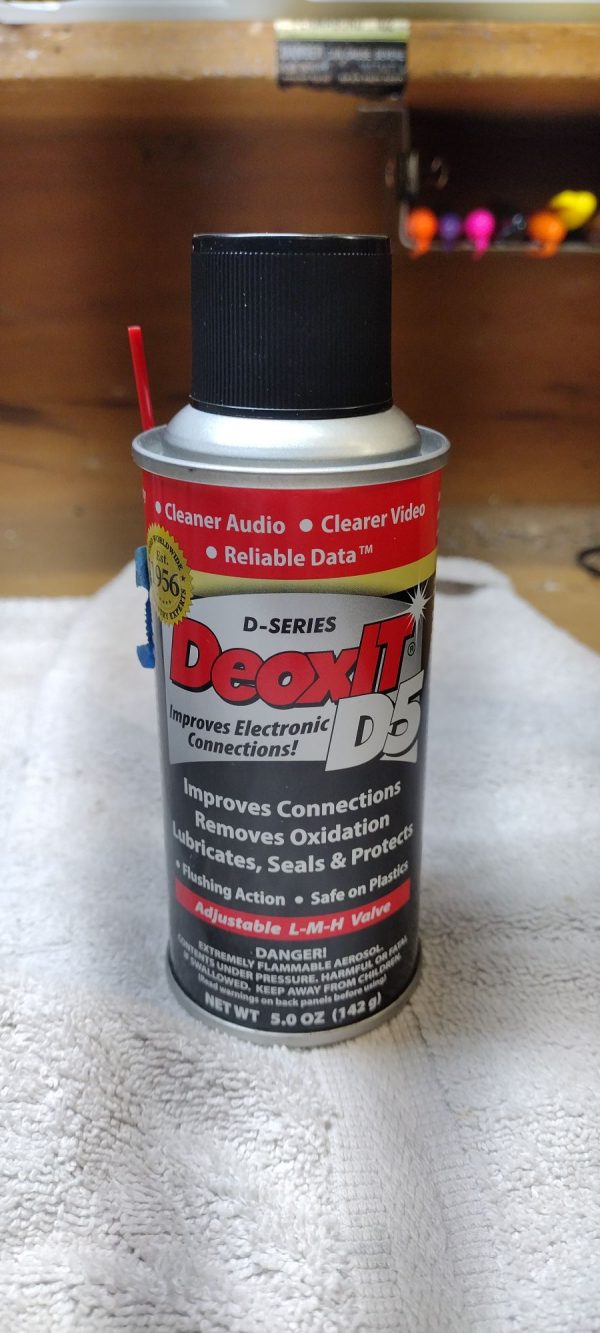
The next step in this refurbishment is to clean the contacts on the rig and lubricate the bears. The primary contact cleaner of choice is DeoxIT D5. Cleaning the Tube Sockets I start by cleaning out the tube sockets, I… Continue Reading →
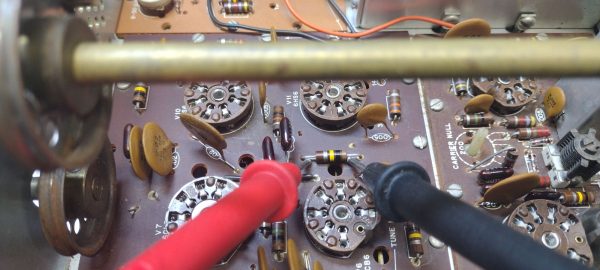
The next step in the refurbishment process is to check all of the resistors to make sure that they are within tolerance. The Heathkit HW-100 series radios use carbon composition resistors that as they age can come out of tolerance…. Continue Reading →
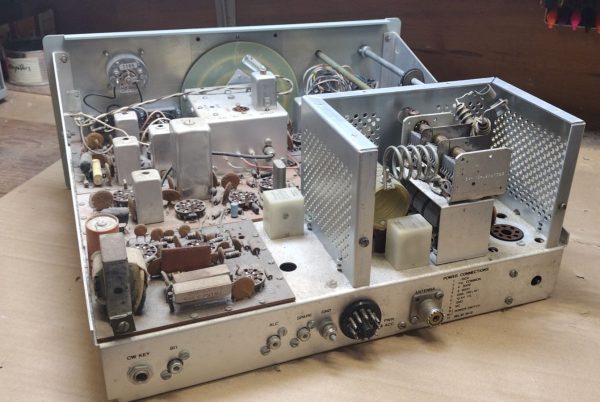
In this step of the process we further remove the panels and knobs from the radio and perform a general cleanup including a soapy wash, rinse cycle followed by “baking” the rig . Cleaning Preparation Prior to washing down the… Continue Reading →
The next step in the process is to start depopulating the vacuum tubes. As the tubes are depopulated feel free to use the section as a reference. Tube Locations, Part Number and Functions Reference designators are a short hand identifier… Continue Reading →
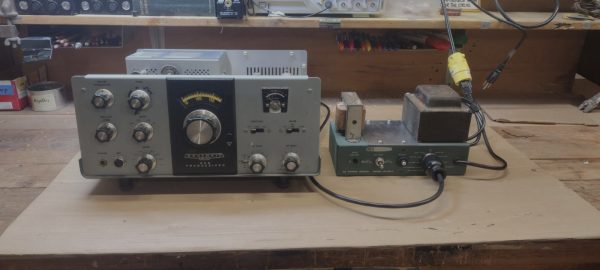
If you talk with different Elmers this step will likely lead to much debate. The next step in the refurbishment process that I follow is completely optional and is an initial power up and rough functional check. The real question… Continue Reading →
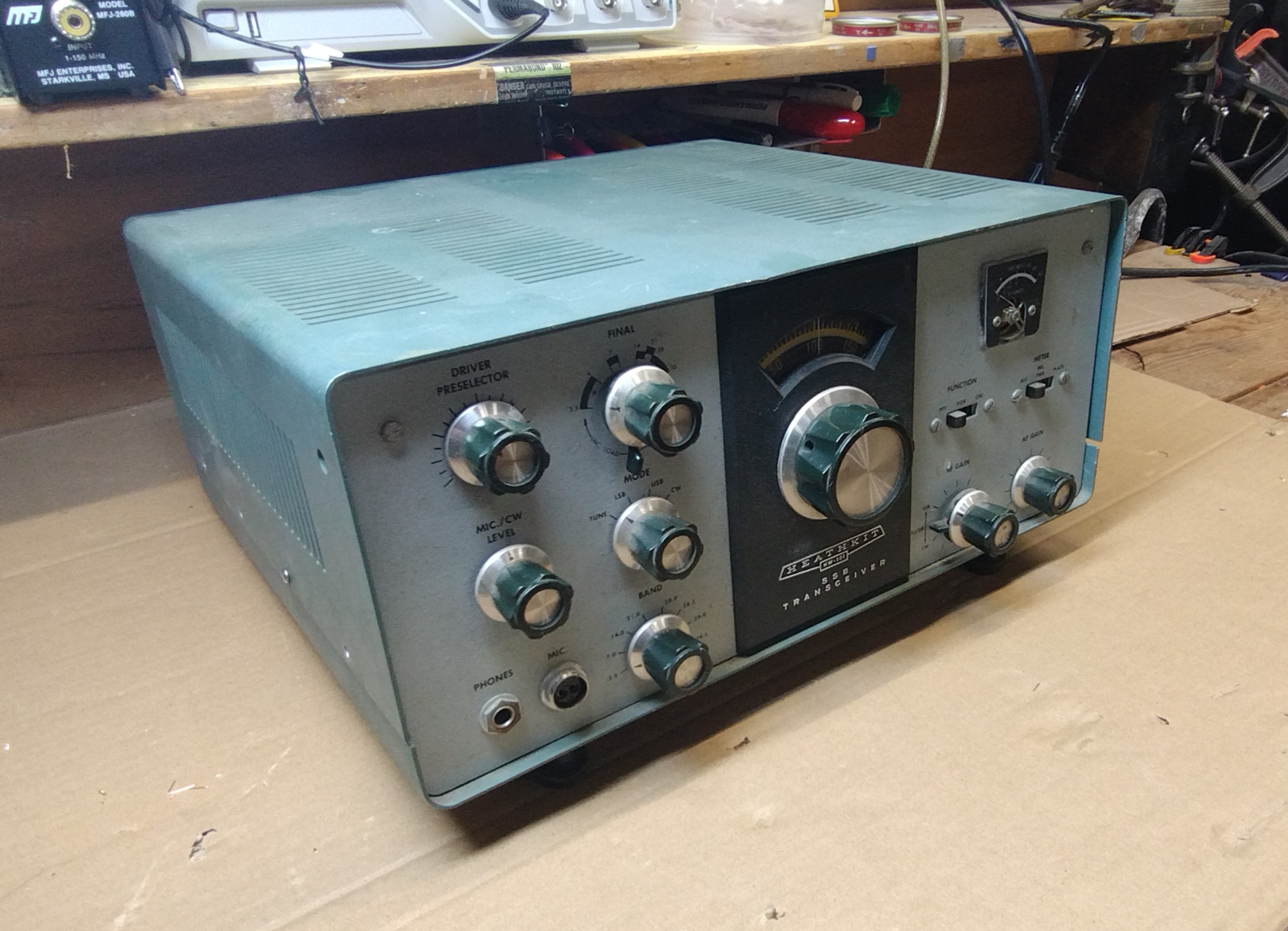
Introduction – Prior to performing any work on a boat anchor I perform a simple visual inspection to look for obvious issues before we get into the “meat and potatoes” of cleanup. In many cases a through visual inspection should… Continue Reading →
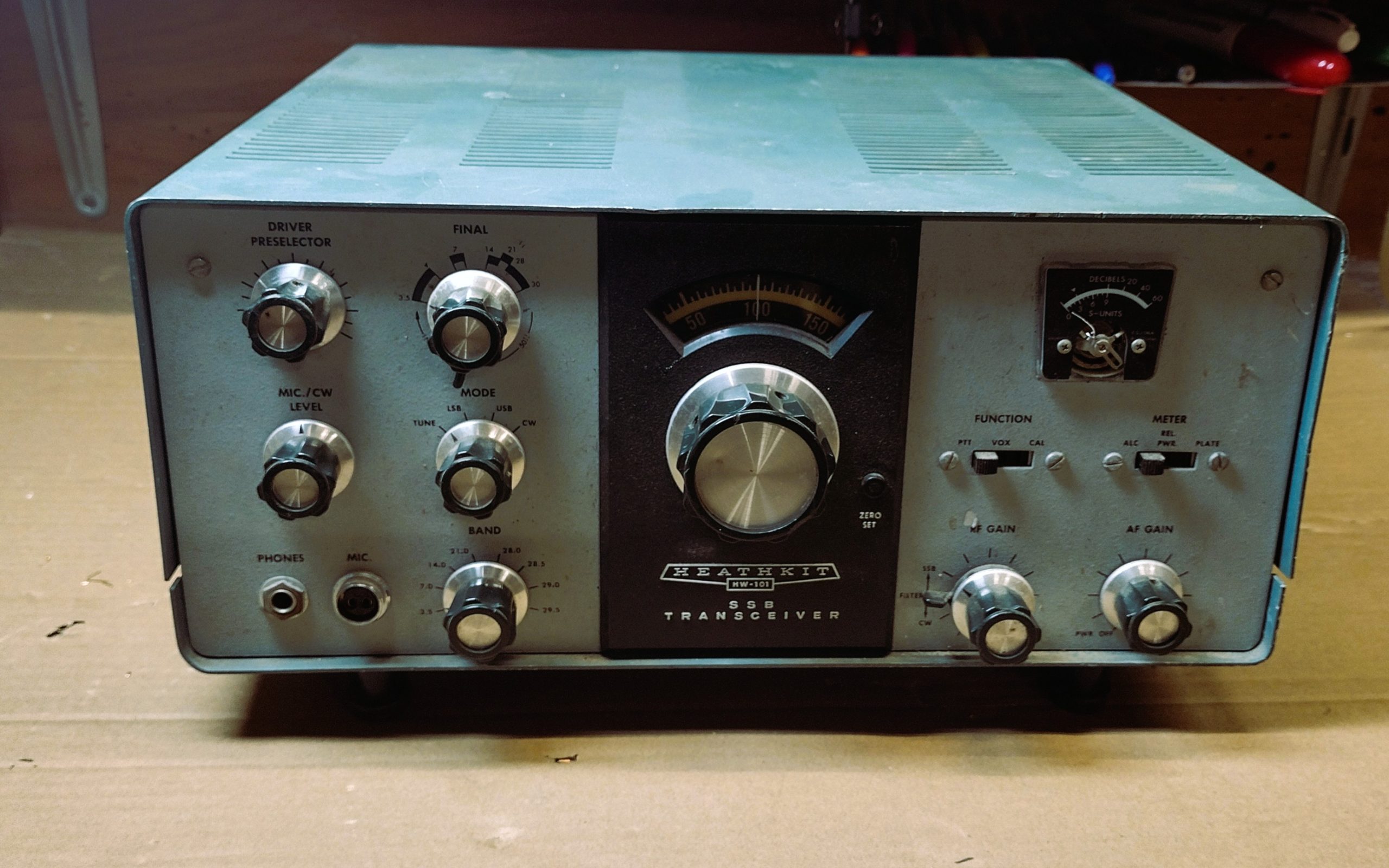
Introduction In 2003 with my General class privileges in hand, I picked up my first HF radio at a ham swap, a Heathkit HW-100. At the time of purchasing the radio I had no experience working with vacuum tubes and… Continue Reading →